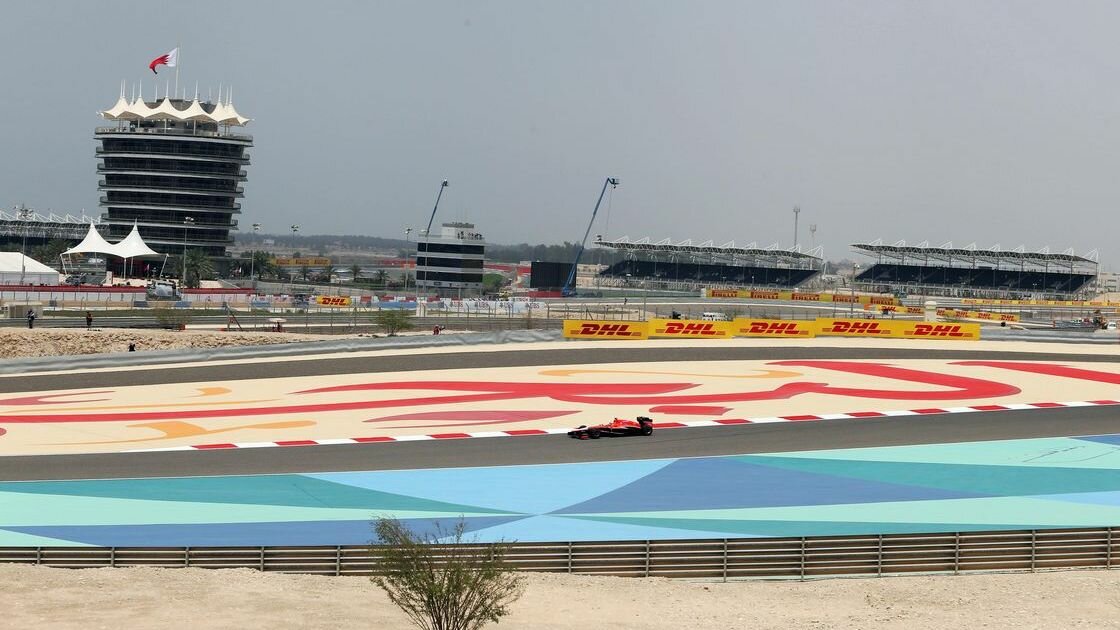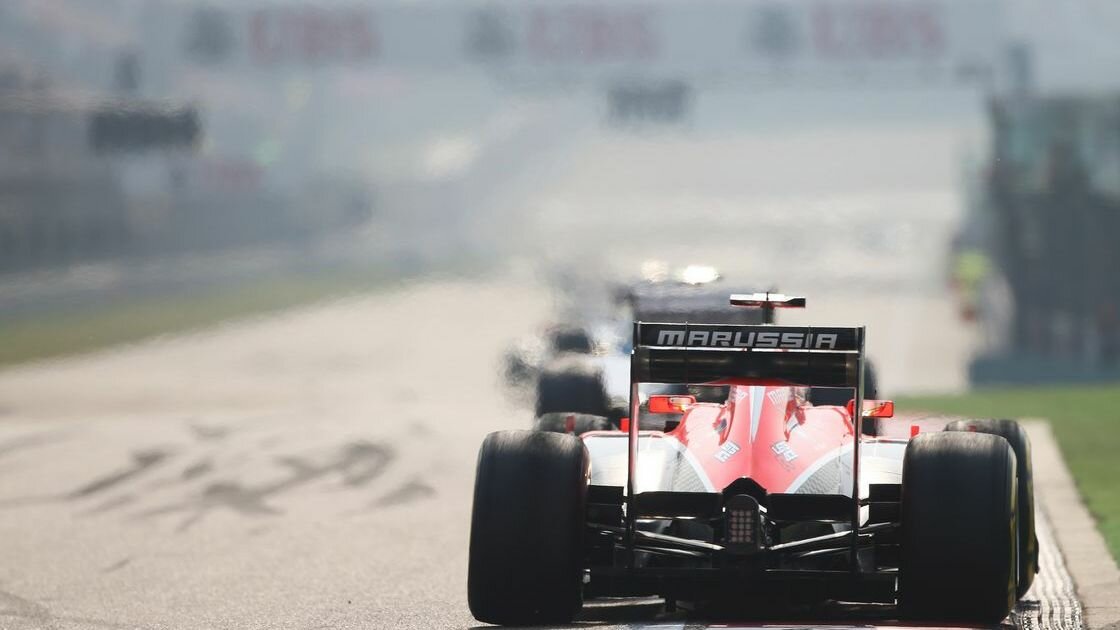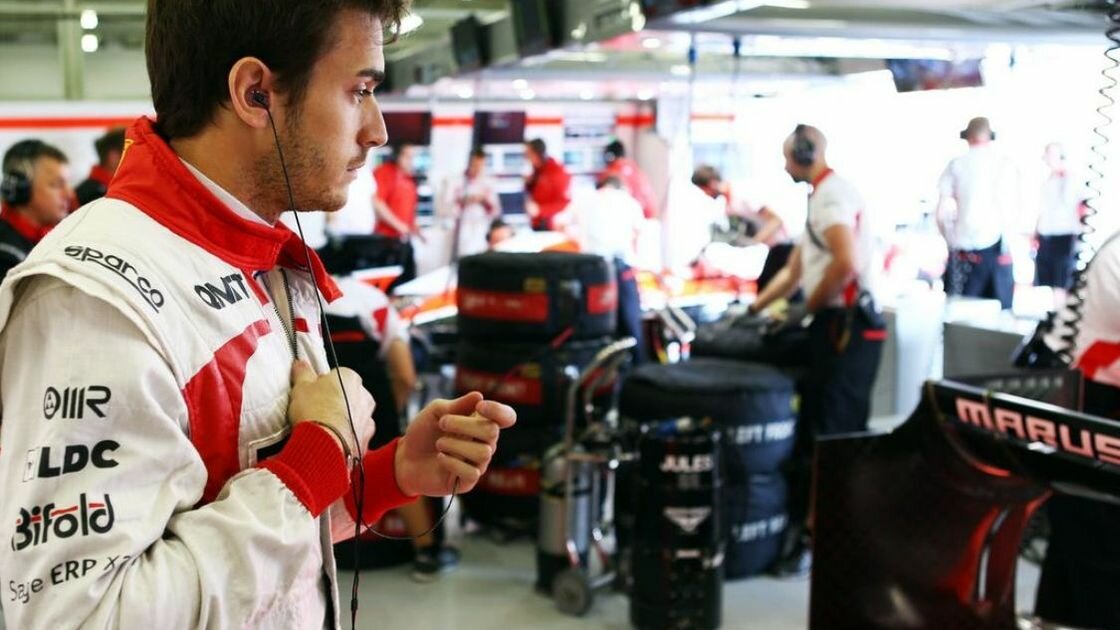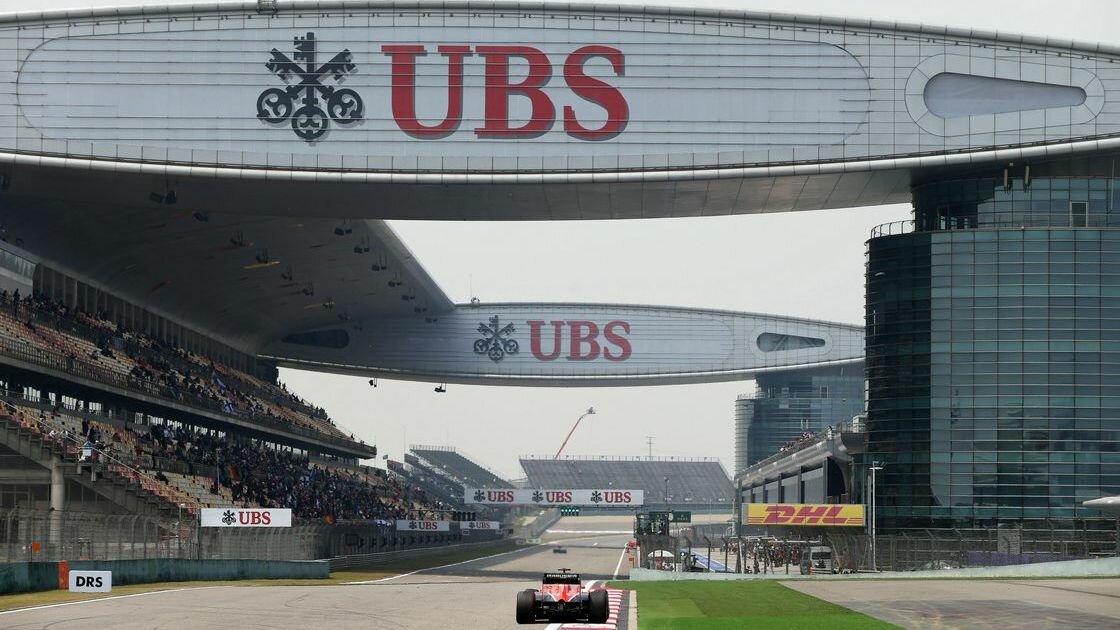


It was another two-car finish for Marussia Virgin Racing in Japan but before Timo and Jérôme had even taken off their racesuits at Suzuka, another race just as vital had already started.
We had only six hours to pack up the two cars and tonnes of equipment and prepare everything for flight to the next race in Korea. It’s a job that takes military precision and planning, so it’s good that at Marussia Virgin Racing it’s in the safe hands of former RAF paratrooper Simon Price.
Our Team Co-Ordinator Simon’s message is: “We Improvise, Adapt and Overcome.”
“The plane waits for no-one so the race to get the garage packed up is just as important as the race itself.
“We always have a Plan A but then it all depends what happens during the race. The car might have a crash, something else might go wrong, so your best laid plans have to be flexible. If the race is longer than planned then that’s just tough - we have to work harder and faster. That does lead to tension at times. It is the nature of the beast. We know it.
“But it’s also ‘Mind Over Matter’ - I don’t mind and any gripes don’t matter, so just get on with it.”
Simon, who has been with the team since we started and in motorsport for 15 years, admits: “I can be a bit over-officious and a stickler for certain things. I hope it is for the good of the right end game.
“I am here to do a job over being liked and I think I have succeeded in that - not being liked anyway!”
F1 teams always face a rush to get the cars and equipment packed away when it they’re at back-to-back races in Europe. But on long flyaways the pressure to get the job done is even more intense - which is why the work starts early.
Simon, 45, explains: “As soon as the boys arrive on the Sunday morning they are packing all unnecessary items away. When a bit of equipment has finished its job for the day it’s packed away.
“We had 65 people in Japan and 45 of them were operational on the car. The guys that aren’t allocated to the pit-stops or anything like that will be out the back taking down the banners, bringing the sea freight containers up from the storage area so they’re ready in the paddock.
“But we come as a team and go as a team so everyone helps, everyone does their bit. We were given a time of 23:00 hours for the Sunday night after the race in Japan. Everything had to be packed up, checked, sealed and the cars ready to roll on the pallet.
“It normally takes us five or six hours after a race to get packed up. In Japan the race started an hour later, at 15:00, so we only had those six hours. That extra hour can be crucial and the last thing you want is a safety car or another problem.
“Last year we had a big crash and the car was in pieces. But we have to work to the deadline as the air freight has its time slot when it has to go so all we could do was make the car rollable the best way we could. The logistics of that is quite hard and you have to remember it is not just our stuff. There are the 11 other teams.
“Our equipment goes in two trucks plus the two cars. If everybody has got that and with the television equipment you are looking at 35 trucks. They had to get to Nagoya airport in Japan to be unloaded, customs cleared, on the planes to Seoul, customs cleared in Seoul and then put on 35 more trucks. From there it is another four to five hours to Mokpo to be in the paddock on Tuesday afternoon.”
And on the packing front Marussia Virgin Racing are quite often at the front of the grid. Simon added: “There is also a certain amount of pride between the teams as to who can get packed up first. That is a competition within itself. We have been first a few times. We are normally midfield which is better than on track - for now.”
Simon’s job is also to make sure that equipment which can be sent out ahead of the race gets to the track on time.
Garage boarding, the shelving to houses tyres and tools, the gantry that holds the pods above the cars, all the office chairs, printers and other electronic equipment can all be sent earlier. Simon explains: “The sea freight for this race in Korea went out at the beginning of August, just before our summer break.
“I am planning now for the final two races in Abu Dhabi and Brazil. We have five sets of sea freight and we have our main air freight. Our main air freight is approximately 30 tonnes and we ship around about eight-and-a-half tonnes in a sea freight container. It will arrive early and we will have team guys who will fly in on the Monday before the race to set-up a lot of our equipment for us. It gives us a good head start getting the garage ready for the race.”